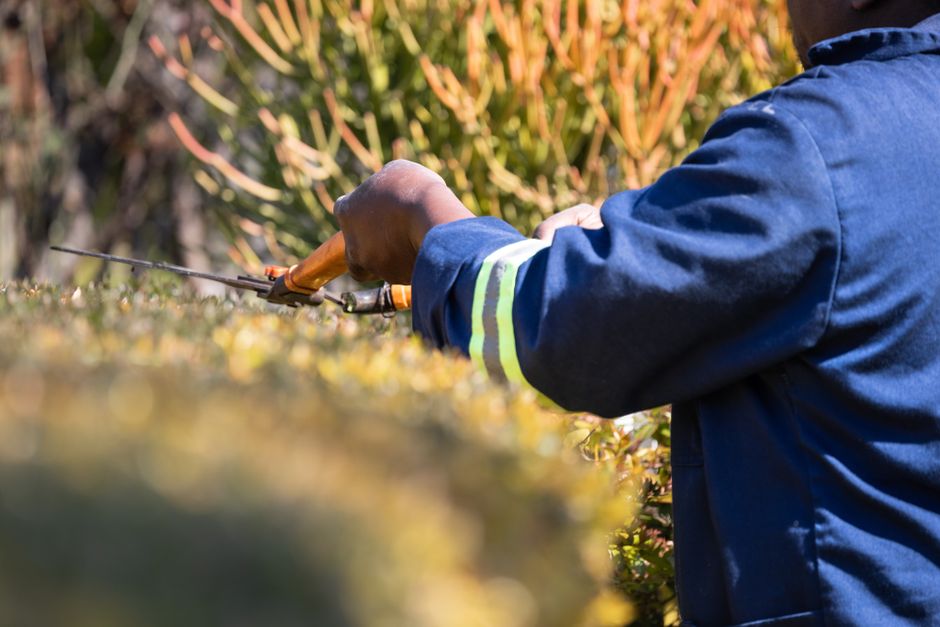
Ickenham business gardens office grounds maintenance quote: a practical guide for offices, commercial sites and shared grounds
If you are looking for an Ickenham business gardens office grounds maintenance quote, you are probably trying to solve a very ordinary but very real problem: the outside space looks tired, the hedge is leaning, the lawn is patchy, and nobody in the office really wants to be the one chasing it up. Fair enough. Commercial grounds have a habit of slipping down the list until a client visits, a landlord inspection is due, or the team simply gets fed up looking at it every morning.
This guide explains what a business grounds maintenance quote should cover, how the process usually works, what affects pricing, and how to compare providers without getting lost in vague promises. It also covers the practical bits people often forget: access, safety, seasonal timing, regular maintenance plans, and the differences between one-off clearance and ongoing care. If you want a cleaner, safer, more presentable site in Ickenham, this should help you make a calmer decision.
Table of Contents
- Why it matters
- How the quote process works
- Key benefits and practical advantages
- Who this is for and when it makes sense
- Step-by-step guidance
- Expert tips for better results
- Common mistakes to avoid
- Tools, resources and recommendations
- Law, compliance, standards and best practice
- Options, methods and comparison table
- Case study or real-world example
- Practical checklist
- Conclusion
- Frequently asked questions
Why Ickenham business gardens office grounds maintenance quote Matters
A grounds maintenance quote is more than a price list. For business premises, it is a snapshot of how seriously the outside environment will be managed over time. That matters because your garden, frontage, car park edges, planted areas, hedges, and access routes all influence first impressions before anyone has even stepped inside.
In Ickenham, commercial sites can vary a lot. One office might have a compact courtyard that needs neat edging and planting care. Another might sit behind a retail unit with grassed boundaries, shrubs, or a more exposed frontage. A reliable quote should reflect the actual layout, not a generic "maintenance from GBPX" promise that falls apart the moment the contractor sees the site.
There is also a practical reason. Neglected grounds create small problems that add up: slippery paths, blocked sightlines, overgrown shrubs near entrances, leaf build-up, poor drainage around beds, and the sort of untidy look that makes staff and visitors assume the building is managed in the same way. That is a bit unfair, perhaps, but people do judge what they see.
If your site needs wider landscaping support rather than just routine upkeep, it can help to review broader options such as landscaping services or the wider services overview before requesting a quote. That gives you a clearer sense of whether you need maintenance, improvement works, or both.
Expert summary: A strong commercial grounds quote should be site-specific, seasonal, and clear about frequency. If it reads like a template, treat it with caution.
How Ickenham business gardens office grounds maintenance quote Works
Most providers start by understanding the site: its size, the type of planting, how often it is used, and whether you need one-off work or an ongoing schedule. A good quote normally follows a site visit, photos, or a structured call with a brief questionnaire. The more complex the grounds, the more useful the visit becomes. Let's face it, a photo can hide a lot of weeds.
Typical quote stages look like this:
- Initial enquiry: You describe the property, the type of business, and what looks urgent.
- Site review: The contractor assesses lawns, beds, hedges, access routes, waste volume, and any obvious safety concerns.
- Scope definition: Tasks are grouped into routine maintenance, seasonal work, clearance, and any extras.
- Pricing method: The quote may be fixed, visit-based, monthly, or tailored to a maintenance schedule.
- Scheduling: The contractor sets the likely frequency, start date, and any preferred time windows.
For recurring work, the quote should explain what happens each visit. That may include lawn care, hedge trimming, border tidying, leaf clearance, litter picking, pruning, weed control, and making sure paths and access points stay presentable. If you only need one-off work, the quote should clearly separate clearance tasks from ongoing care.
You can also compare the scope with services like garden maintenance, lawn mowing, hedge trimming, and garden clearance. These pages are useful if you are trying to work out whether your site needs a tidy-up, a regular schedule, or a more substantial reset.
Key Benefits and Practical Advantages
There are obvious benefits, and a few less obvious ones too. The obvious ones are presentation and neatness. The less obvious ones are continuity, safety, and easier budgeting.
- Better first impressions: Clean borders, trimmed hedges, and tidy lawns make the whole property feel cared for.
- Reduced reactive jobs: Small maintenance tasks are easier and cheaper than letting the site deteriorate and then doing a major clear-up.
- Safer movement: Well-kept paths and entrances reduce the chance of trip hazards, overgrowth, or blocked visibility.
- Less internal pressure: Staff do not need to "sort the garden" between other duties.
- Predictable spend: A maintenance plan is easier to budget for than repeated emergency visits.
There is a reassuring rhythm to regular grounds care. It stops the site from swinging between "fine" and "embarrassing." That is often the real win. A site that looks decent all year long is easier to manage, and honestly, easier to feel proud of.
If sustainability matters to your business, it is worth asking how green waste is handled and whether there is a responsible disposal approach. A provider with a clear recycling and sustainability approach may be a better fit if you want your maintenance plan to align with wider business values.
Who This Is For and When It Makes Sense
This kind of quote is useful for a wide range of commercial and semi-commercial properties. It is not just for large corporate campuses with sweeping lawns and ornamental beds. In fact, many of the most common requests are far simpler.
You may need one if you manage:
- an office with front and rear planted areas
- a business park unit with shared grounds
- a small commercial building with hedges, borders, or lawn patches
- managed residential blocks or communal gardens
- a showroom, clinic, school-adjacent site, or professional premises that needs tidy outdoor presentation
It also makes sense if the current arrangement is a bit ad hoc. Maybe someone in the office has been doing the mowing "when they can." Maybe a landlord expects the tenant to maintain the exterior. Maybe the site used to look fine, but now the hedge has become a proper nuisance. Those are all common triggers.
In our experience, many people start with a quote after one of three things happens: a complaint from staff or visitors, an inspection deadline, or a seasonal change that makes the site suddenly look more neglected than it did in summer. Autumn, in particular, can be a sneaky one. Leaves everywhere, a bit of rain, and before you know it the entrance looks more like a forgotten corner than a business front.
Step-by-Step Guidance
If you want a quote that is accurate and useful, the way you ask for it matters. A clear brief saves time on both sides and usually leads to better pricing.
1. List the spaces that need attention
Separate the site into areas: front lawn, rear garden, side access, hedges, planted beds, car park edges, pathway borders, and any awkward corners. The more precise you are, the more useful the quote will be.
2. Decide whether you need one-off work or ongoing maintenance
A one-off tidy-up is not the same thing as a maintained contract. If you need seasonal visits, say so. If the grounds need weekly mowing and monthly hedge attention, put that into the brief from the start.
3. Mention access and working hours
Commercial sites often need work outside the rush of the working day. Early mornings, lunch breaks, or quiet afternoons may be preferable. If there are security gates, coded access, parking restrictions, or noise limits, mention them early.
4. Ask what is included
Quotes can look similar until you compare the detail. Ask whether waste removal, green waste disposal, edging, pruning, and hedge cut-back are included or charged separately.
5. Check how the contractor handles changes
Grounds are living spaces. Growth changes with weather. A sensible quote should explain how extra work is handled if the site suddenly needs more attention than expected.
6. Compare maintenance frequency, not just price
A cheaper quote that visits too rarely may cost more in the long run because the site needs heavier remedial work. A slightly higher quote with a sensible schedule can actually be better value.
7. Confirm standards and risk controls
Before agreeing, ask how the contractor manages safety, waste, and liability. A professional operator should be happy to talk about health and safety expectations and insurance and safety in plain English.
Expert Tips for Better Results
Here are a few practical things that tend to make the biggest difference.
- Give photos, but do not rely on them alone. They are helpful, yet they rarely show the full volume of waste or the awkward bits round the back.
- Be honest about neglected areas. A patchy or overgrown site is not a problem, but hidden build-up changes the price and timing.
- Group tasks by priority. If the hedge is the main issue, say so. If litter picking and presentation are the bigger problem, that should be clear too.
- Ask for seasonal thinking. Spring, summer, and late autumn all bring different maintenance needs.
- Choose clarity over fancy wording. A straightforward quote with line items is usually better than a polished paragraph that says very little.
One small but useful habit: keep a simple record of what gets done and when. Nothing fancy. Even a basic note on your phone helps if you are comparing performance over several months. It sounds dull. It is useful though.
If your site also needs more than maintenance, such as new beds, structure changes, or a redesign of the front approach, the discussion may move into landscape gardening or broader landscaping. That is not a bad thing; it just means you are solving the right problem instead of only trimming around it.
Common Mistakes to Avoid
A lot of businesses make the same avoidable mistakes when requesting grounds maintenance quotes. Usually nobody means to, but the result is still the same: confusion, delays, or a service that does not quite fit.
- Vague briefs: "Can you quote for the garden?" is too loose for a commercial site.
- Ignoring access issues: If a contractor cannot get equipment in easily, the quote will change later.
- Comparing only the headline price: The cheapest option is not always the best value.
- Forgetting waste removal: Green waste can be a major part of the job.
- Assuming one visit will fix everything: Some sites need a reset and then a maintenance rhythm afterwards.
- Not asking about insurance or safety: That is a risk you really do not want to take lightly.
Another common slip is expecting the same schedule all year. A lawn in April and a lawn in November are not the same beast. To be fair, most commercial landscapes have seasonal peaks and quieter periods. Good planning should reflect that.
Tools, Resources and Recommendations
You do not need specialist equipment to prepare for a quote, but a few simple things help enormously.
- A site map or rough sketch: Helpful for larger premises or shared grounds.
- Photographs in daylight: Early morning or late afternoon shots can show shadowed areas and overgrowth clearly.
- List of current pain points: For example, "hedges blocking signage" or "leaf build-up at the front entrance."
- Preferred service frequency: Weekly, fortnightly, monthly, or seasonal.
- Internal decision-maker: Someone who can approve scope and timing without endless back-and-forth.
It may also help to review the provider's background and values before you proceed. A page like about the team can give useful context about how they work, while pricing and quotes should help set expectations for how estimates are formed.
If your grounds have a lot of overgrowth, tangled edges, or leftover materials from previous work, it may be wise to start with clearance before maintenance. Otherwise you are asking a mower to do a job that really needs a reset first. Not ideal, and often not cheaper.
Law, Compliance, Standards, or Best Practice
For commercial grounds, compliance usually means being sensible, consistent, and careful rather than dramatic. The exact duties depend on the site, ownership, and use, but there are a few best-practice principles most businesses should take seriously.
First, keep access routes safe and reasonably clear. That includes entrances, paths, fire escape-adjacent routes where relevant, and any shared walkways. Second, manage vegetation so it does not create obstruction, poor visibility, or trip hazards. Third, make sure anyone working on site follows appropriate risk controls, especially where tools, ladders, cutting equipment, or waste handling are involved.
It is also wise to ask about public liability cover, staff competence, and how incidents are handled. For businesses, that is not overkill; it is basic due diligence. If a contractor cannot explain their process calmly, that is a sign to pause.
Some businesses also prefer to check supporting policies before committing. Documents such as terms and conditions, payment and security, and the company's complaints procedure can be helpful for setting expectations. It is not exciting reading, granted, but it does prevent awkward surprises later.
On sustainability, look for waste reduction, responsible green waste handling, and practical recycling where possible. That tends to be the normal standard businesses now expect, and quite right too.
Options, Methods, and Comparison Table
Different sites need different approaches. A simple office lawn is not the same as a mixed commercial frontage with hedges, beds, and access lanes. The table below gives a practical way to compare common approaches.
| Option | Best for | Typical strengths | Possible drawbacks |
|---|---|---|---|
| One-off tidy-up | Overgrown or neglected sites | Fast reset, useful before inspections or events | Does not keep the site looking good long term |
| Routine maintenance plan | Offices, business parks, shared grounds | Predictable, tidy year-round appearance, easier budgeting | Needs regular scheduling and coordination |
| Seasonal maintenance | Sites with changing spring/autumn demand | Matches growth patterns, often efficient for moderate grounds | May miss smaller issues between visits |
| Maintenance plus improvement work | Sites that need both care and upgrades | Solves presentation and layout problems together | Requires clearer scope and a bigger initial budget |
If you are unsure which route fits, start with the condition of the grounds now. A site that only needs appearance management is different from one that needs structural change. That distinction sounds obvious, yet it is where many quotes go sideways.
Case Study or Real-World Example
Here is a realistic example. An office in Ickenham has a small front lawn, a narrow side passage, several shrubs near the entrance, and a hedge line that has started to hide the signage. Staff have been talking about it for weeks, mostly in that quiet "someone should really sort that" way. The site is not disastrous, just untidy enough to feel a bit neglected.
The first quote request is simple: keep the entrance presentable, trim the hedge, cut the lawn, and remove clippings. After a site visit, it becomes clear that the side passage also needs clearance because leaves and old debris are gathering there. The contractor revises the scope, separates the one-off tidy-up from the regular schedule, and recommends fortnightly visits in the growing season with lighter monthly work in winter.
What changed? Not the business need. The clarity. The final quote is more useful because it reflects the site's actual condition and the rhythm of the seasons. That is usually what you want: not the cheapest number on paper, but the one that makes sense after someone has properly looked.
In many cases, the same site later benefits from a more structured maintenance routine and a small amount of soft landscaping to improve the entrance. Nothing dramatic. Just enough to stop the front from feeling a bit tired on grey mornings.
Practical Checklist
Use this checklist before you ask for or compare a quote.
- Have I described every area that needs attention?
- Do I know whether I need one-off work or ongoing maintenance?
- Have I mentioned access, parking, security, and working hours?
- Have I included photos or a rough site sketch?
- Do I know whether waste removal is included?
- Have I asked how often the site will be visited?
- Do I understand what is urgent and what can wait?
- Have I checked insurance, safety, and business terms?
- Have I compared scope as well as price?
- Have I thought about seasonal changes in growth and leaf fall?
If you can tick most of those off, you are already ahead of many people requesting a commercial grounds quote. That is the truth of it.
Get a free quote today and see how much you can save.
Conclusion
A good Ickenham business gardens office grounds maintenance quote should do more than give you a number. It should tell you what the site needs, how often it needs attention, and what level of care will keep it tidy, safe, and presentable without constant firefighting.
The best decisions usually come from simple discipline: define the scope, compare like with like, and choose a provider who explains things clearly. If your outside space has become one of those jobs everyone notices but nobody owns, that is your cue to act. Start with a proper quote, and build from there. Small improvements outside often make the whole place feel steadier inside too.
Frequently Asked Questions
What should be included in a commercial grounds maintenance quote?
A solid quote should explain the exact tasks, visit frequency, waste removal, access assumptions, and any seasonal differences. If the quote is vague, ask for detail before you agree.
How do I know whether I need garden maintenance or a one-off clearance?
If the site is mostly tidy but needs regular mowing, trimming, and weeding, maintenance is usually the better fit. If it is overgrown, cluttered, or full of old debris, start with clearance first.
Can a quote be based on photos alone?
Sometimes, yes, for small and simple sites. For anything more involved, a site visit is safer because it reveals access issues, waste volume, and hidden problem areas.
Why do commercial grounds quotes vary so much?
They vary because site size, frequency, access, waste handling, and the amount of remedial work all affect the job. Two properties that look similar from the road can be very different on the ground.
How often should office grounds be maintained?
That depends on growth, use, and appearance standards. Some sites need weekly or fortnightly attention in spring and summer, then lighter winter care. Others are fine on a monthly schedule.
What affects the price of a business gardens maintenance quote most?
The biggest factors are the size of the grounds, how overgrown they are, how often work is needed, and whether green waste removal is included. Access and security can also matter.
Should I ask about insurance before booking?
Yes, absolutely. For commercial work, it is sensible to check insurance and safety arrangements before any work begins. It protects both sides and shows the provider is operating properly.
Is hedge trimming usually included in grounds maintenance?
Sometimes it is included, sometimes it is priced separately, especially if the hedge is tall or needs more careful cutting. Always ask rather than assume.
What if my site needs both landscaping and regular maintenance?
That is very common. In that case, it often makes sense to separate improvement work from ongoing care so the quote is easier to compare and the schedule is clearer.
How do I compare two quotes fairly?
Compare the scope, frequency, waste disposal, and assumptions, not just the total price. A cheaper quote may leave out items you will end up paying for later.
Can grounds maintenance help with safety as well as appearance?
Yes. Regular maintenance can reduce trip hazards, improve visibility, and keep access routes clear. It is not only about looking neat, although that helps too.
Who should I contact if I am ready to arrange a quote?
If you are ready to move forward, use the company's contact page to share your site details and current priorities. If you want to understand the business a little better first, the about page is a sensible next stop.