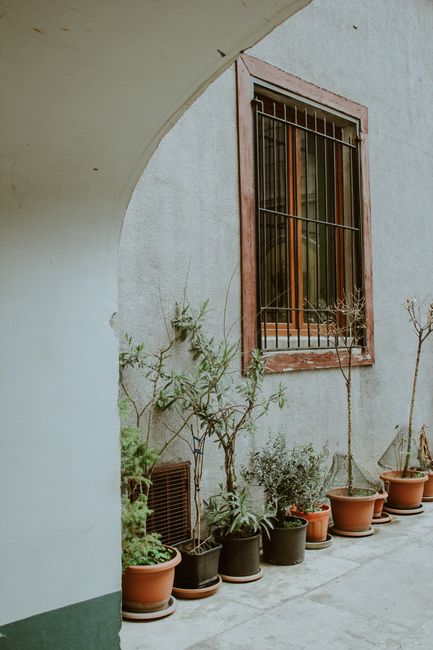
Small courtyard garden care for UB10 flats by gardeners
Small courtyard gardens can be the best bit of a flat in UB10. They give you fresh air, a little green space, and somewhere to sit with a cup of tea while the world stays pleasantly out of the way. But they also come with quirks. Tight access, shaded corners, shared walls, drainage that never quite behaves, and plants that either thrive or sulk, sometimes in the same week.
If you live in a UB10 flat and want the space to look tidy without becoming another weekend job, small courtyard garden care by gardeners can make a real difference. The right approach is not about turning it into a full-scale landscaping project. It is about keeping things healthy, neat, safe, and easy to enjoy. This guide walks through how it works, what matters most, and how to judge whether you need routine maintenance, a one-off refresh, or a more considered plan.
To make things simple, we will cover the practical side first and the decision-making side along the way. No fluff. Just the stuff that helps a courtyard stay usable instead of slowly becoming a pot graveyard with weeds in the corners.
Table of Contents
- Why small courtyard garden care matters
- How courtyard garden care works in a flat setting
- Key benefits and practical advantages
- Who this is for and when it makes sense
- Step-by-step guidance
- Expert tips for better results
- Common mistakes to avoid
- Tools, resources and recommendations
- Law, compliance, standards and best practice
- Options, methods and comparison table
- Case study or real-world example
- Practical checklist
- Conclusion
- Frequently asked questions
Why Small courtyard garden care for UB10 flats by gardeners Matters
A courtyard garden is not a broad lawn or a sprawling border. It is usually compact, enclosed, and visible from the flat every day. That means neglect shows quickly. A few dead stems, a clogged drain, or a single overgrown climber can make the whole space feel tired. In a small area, every detail matters more. Slightly, annoyingly, very true.
For UB10 flats, regular garden care also helps with the practical realities of local living. Courtyards often sit between buildings, where shade, leaf fall, damp surfaces, and limited airflow create the perfect conditions for moss, mouldy pots, and unhappy planting. A gardener who understands these conditions can keep the space tidy without overworking it or forcing the wrong plants into the wrong spot.
There is also the issue of shared access. Many flats need careful, respectful work that avoids noise disruption, protects walls and paving, and leaves communal areas clean. A good gardener knows how to work neatly, move tools in and out without drama, and finish the job without leaving mud on every step. That might sound basic. It is not always basic in practice.
There is a comfort angle too. A cared-for courtyard feels calmer. It gives you somewhere to breathe, even if it is only a few square metres. And if you are renting or planning to sell, a smart outdoor space can change the whole impression of the flat. Not magic. But close enough.
How Small courtyard garden care for UB10 flats by gardeners Works
Courtyard garden care starts with understanding the space as it is, not as you wish it were. Gardeners normally look at light levels, drainage, surface type, existing planting, access, and how much maintenance the garden can realistically handle. A sunny courtyard with terracotta pots needs a very different approach from a narrow, shaded courtyard with paving slabs and one struggling fern.
From there, the work usually falls into a few simple strands:
- Tidying and clearance - removing leaves, spent growth, weeds, and broken plant material.
- Plant care - pruning, feeding, re-potting, watering advice, and replacing weak plants if needed.
- Surface care - sweeping, moss control where appropriate, and keeping paths and paving safe.
- Structure and shape - trimming climbers, small shrubs, and container plants so the space feels balanced.
- Ongoing maintenance - setting a repeat schedule so the garden does not slide backwards between visits.
In many flat courtyards, the key is consistency rather than big interventions. A monthly or fortnightly visit can be enough to stop small problems becoming bigger ones. If the space has become badly overgrown, a first visit may include a deeper reset, similar in spirit to garden clearance, followed by lighter upkeep.
Sometimes, the job is mostly horticultural. Other times, it is about making the garden usable again. A slightly awkward but honest truth: some courtyards are not really gardened, they are merely endured. Good maintenance changes that.
Key Benefits and Practical Advantages
The benefits are not just visual, though that is usually the first thing people notice. A maintained courtyard is safer, easier to live with, and less expensive to fix later. Let the weeds spread in paving gaps for too long and you are not just looking at untidy borders; you are looking at stubborn root growth and more effort later on.
- Better first impression - tidy planting, clean paving, and controlled growth make the flat feel looked after.
- Healthier plants - regular care helps with watering, feeding, pruning, and pest spotting.
- Less damp and mess - cleared leaves and debris reduce slippery surfaces and trapped moisture.
- More usable space - a small courtyard feels bigger when it is ordered and uncluttered.
- Lower long-term effort - regular maintenance is usually easier than repeating major rescue jobs.
- Better fit for busy lives - ideal for people who want a pleasant outdoor area without spending every Saturday on it.
There is also a mental benefit that people underestimate. A neat little garden outside the kitchen or living room window changes the feel of the day. You notice it in the morning, and again when you get home tired. A tidy courtyard says, quietly, that things are under control. Not bad for a small patch of paving and plants.
Who This Is For and When It Makes Sense
This kind of care is useful for a wide range of UB10 flat residents. If your outdoor space is small, enclosed, or container-based, you are in the right place. It makes particular sense if you are:
- a homeowner who wants the garden to stay attractive without constant upkeep;
- a renter who needs the courtyard to stay presentable and easy to manage;
- a landlord trying to keep a flat appealing between tenancies;
- a property manager responsible for shared outdoor areas;
- someone with limited time, mobility, or gardening confidence;
- anyone whose courtyard has become patchy, overgrown, or difficult to use.
It also makes sense when the space is not big enough to justify major landscaping but still needs professional attention. For example, if your courtyard has cracked old planters, tangled climbers, and a patch of stubborn shade under a wall, a gardener can improve it without turning it into a building site. That is often the sweet spot.
If the garden needs more than upkeep - new layout, new surfaces, fresh structure - then it may be worth looking at broader landscape gardening or practical landscaping. But for many flats, routine courtyard care is enough.
Step-by-Step Guidance
A clear process keeps small courtyard care efficient and avoids that all-too-familiar cycle where one area gets fixed and another quietly goes downhill. Here is a sensible way to approach it.
1. Assess the space honestly
Start with the basics: how much light does it get, where does water collect, which plants are thriving, and which ones are basically hanging on out of politeness? Look at the paving, the walls, the pots, and the access points. Note any trip hazards, drainage issues, or areas where weeds keep returning.
2. Decide what needs regular work
Some courtyards need weekly attention in growing season. Others are fine with monthly visits. Think about the pace of growth, the amount of leaf fall, and how visible the space is from inside the flat. If you are forever glancing out and thinking, "I really should sort that," then a schedule would probably help.
3. Clear the clutter first
Remove broken pots, dead plants, fallen twigs, and any old supports that no longer serve a purpose. Once the clutter is gone, the space instantly reads better. Small gardens are unforgiving in that way; every object counts.
4. Prune for shape and airflow
Trim back overlong stems, remove dead or crossing growth, and open up the centre of plants where needed. In a courtyard, airflow matters because moisture can linger. Better airflow means fewer damp corners and less disease pressure.
5. Sort the weeds and moss
Weeds in paving joints should be dealt with before they root in deeply. Moss may need careful treatment depending on the surface. The right approach depends on the material, the level of shade, and whether the area is naturally damp. This is one of those places where a careful gardener earns their keep.
6. Rebalance the planting
Replace weak or unsuitable plants with options that match the light and exposure. In many UB10 courtyards, compact evergreen structure, shade-tolerant foliage, and seasonal colour in pots work better than trying to force in high-maintenance bedding. A courtyard should be generous to live with, not needy.
7. Set the maintenance rhythm
Once the garden is in a good place, decide how often it needs attention. A small courtyard might need watering checks, deadheading, light pruning, and tidying on a repeat basis. If it is left too long between visits, you do not get "low maintenance"; you get "recovery mode".
For some properties, pairing courtyard care with garden maintenance is the cleanest solution. If there are hedges, boundary shrubs, or screening plants, hedge trimming may also be part of the plan. And if the garden edges onto a small paved sitting area, a little occasional care can stop the whole thing looking tired around the edges.
Expert Tips for Better Results
A few small decisions make a disproportionate difference in a courtyard. In practice, the best gardens are usually the ones that are easiest to maintain, not the ones packed with the most plants.
- Choose containers with purpose - oversized pots can dominate, while tiny pots dry out too quickly. Aim for balance.
- Match plants to light - a shady courtyard is no place for sun-hungry planting that constantly complains.
- Use repetition - repeating a few plants or materials gives a small space calm and structure.
- Keep surfaces simple - too many textures make a compact garden feel busy.
- Water deeply, not constantly - shallow watering often leads to weak roots and thirsty plants later.
- Check drainage after heavy rain - if a puddle hangs around, the problem is telling you something.
- Work with the seasons - spring and early autumn are often the most useful times for refreshing containers and pruning.
One useful habit is to stand at the flat door and look at the garden the way a visitor would. What do you see first? A smart arrangement? A dead plant you meant to remove three weeks ago? We all have one of those. The point is to notice the first impression, because that is what the space is actually saying.
If the courtyard includes timber features or a small seating area, you may also want occasional decking services or surface improvements. Even a tiny upgrade can change how the whole area feels underfoot.
Common Mistakes to Avoid
Small courtyard gardens look easy until they start misbehaving. Then they can become surprisingly stubborn. Here are the mistakes that cause the most trouble.
- Overplanting - too many pots or shrubs make the space cramped and harder to care for.
- Using the wrong plants - sun lovers in shade, moisture lovers in dry corners, and so on.
- Ignoring drainage - standing water is a warning, not a quirk.
- Letting climbers run wild - they can overwhelm walls, fences, and access routes fast.
- Forgetting the hidden corners - debris collects where you do not naturally look.
- Pruning at the wrong time - some plants respond well, others do not, and timing matters.
- Trying to do everything at once - a courtyard usually improves more through steady, planned care than a big one-off burst.
A classic error in flat courtyards is treating them like little lawns. They are usually not lawns at all, and they are certainly not forgiving if you use them like one. The better mindset is: compact, layered, manageable.
If the space has become a bit too far gone, do not keep trimming the top growth and hoping for the best. Sometimes the honest answer is a reset, and then lighter ongoing care. That is not failure. That is gardening.
Tools, Resources and Recommendations
Courtyard garden care is often about using the right tools for a confined space. Oversized kit can be awkward, noisy, and a bit clumsy around flats. Better to keep it neat and fit-for-purpose.
| Task | Useful tools | Why they help in a courtyard |
|---|---|---|
| Weeding and tidying | Hand fork, compact trowel, secateurs, stiff hand brush | Lets you work precisely without disturbing the whole space |
| Pruning and shaping | Clean secateurs, loppers for thicker stems | Helps keep plants healthy and compact |
| Surface care | Broom, rake, bucket, suitable cleaning tools | Quickly removes leaves and loose debris from paving |
| Pot and plant care | Watering can, feed, saucer trays, fresh compost | Makes container planting more reliable |
| Access and safety | Gloves, non-slip footwear, protective matting | Useful on damp paving and in narrow entry points |
For many flat gardens, the best "resource" is actually a maintenance rhythm, not a bigger tool bag. A light visit every so often is often more effective than buying more gadgets. Gardening shops love a gadget. Your courtyard usually wants consistency.
Where waste is involved, responsible disposal matters too. If a job creates green waste, broken pots, or old soil, it should be handled thoughtfully, ideally with an eye on recycling and sustainability. Clean-up is part of the job, not a separate luxury.
Law, Compliance, Standards and Best Practice
For most small courtyard gardens, the main compliance issues are practical rather than complicated. You are usually dealing with shared access, safe working practices, waste handling, and respecting neighbours or lease conditions. The exact rules can vary by building, landlord, and management company, so it is sensible to check the property's own requirements if there are any.
From a best-practice point of view, a gardener working in or around flats should be careful about access routes, slip risks, noise, and leaving communal areas clean. That means protecting surfaces where needed, keeping tools organised, and not blocking entrances or shared walkways. In a tight courtyard, that care matters more than people sometimes expect.
If a site has higher-risk elements - for example, awkward tree work, unstable growth, or work close to shared boundaries - it is wise to involve professionals who can work safely and appropriately. For more significant tree issues, tree lopping and removal may be relevant, but only when genuinely necessary and handled with proper judgement.
Trust also matters. If you are choosing a service provider, it is reasonable to ask about insurance and safety, and to check how they handle workplace practice through a clear health and safety policy. That is not being fussy. That is being sensible.
For clients who want to understand how the business works, pages like about us, pricing and quotes, and services overview can be useful context. And if you have questions before booking, the contact us page is the natural next step.
Options, Methods or Comparison Table
There is more than one way to keep a courtyard looking good. The right method depends on time, plant load, and how much change the space actually needs.
| Approach | Best for | Pros | Trade-offs |
|---|---|---|---|
| DIY upkeep | Confident owners or renters with time | Low direct cost, flexible timing | Easy to let slip, uneven results, more effort after gaps |
| Regular gardener visits | Busy residents who want steady presentation | Reliable, tidy, preventative | Ongoing cost, needs clear brief |
| One-off refresh then maintenance | Courtyards that have got overgrown or cluttered | Fast improvement, sets a baseline | Needs follow-up to stay effective |
| Full redesign | Spaces with poor layout or failing planting | Can solve deeper issues | More disruption, more planning, not always necessary |
For many UB10 flats, the sweet spot is the middle path: a careful reset followed by regular upkeep. It is practical, not flashy. But it works. And to be fair, most good courtyard gardens are built on boring consistency, not dramatic reinvention.
Case Study or Real-World Example
Imagine a small ground-floor flat courtyard in UB10 with paving, two narrow borders, and several pots squeezed along one wall. At first glance it is fine, but the closer you look, the more the issues stack up: one climber has tangled into a mess, a couple of pots are sitting in stagnant water after rain, weeds are returning between the slabs, and the shaded corner has become a damp spot where leaves collect.
A gardener starts by clearing debris and cutting back the overcrowded growth. The dead and weak plants are removed, the rest are reshaped, and the containers are thinned out so they can actually breathe. The drainage is checked, the paving is brushed down, and the planting is adjusted so the shadier side gets more suitable foliage rather than sun-loving flowers that keep struggling. Nothing extravagant. Just sensible work.
After that first visit, the courtyard looks calmer immediately. Not perfect, not magazine-perfect, just better. Two weeks later it still looks better because the maintenance plan is realistic: light watering checks, occasional deadheading, and quick tidying. That is the point. A small garden does not need a heroic makeover every month. It needs steady care that matches the space.
Those are the jobs people often underestimate. The tiny ones. The ones that make the whole thing feel cared for without ever shouting about it.
Practical Checklist
Use this checklist if you are deciding whether your courtyard needs attention now, or if you are preparing for a gardener's visit.
- Check whether the paving is clear of leaves, moss, and loose debris.
- Look for weeds in joints, corners, and behind planters.
- Inspect pots for broken drainage, compacted compost, or root crowding.
- Assess whether plants are getting enough light or too much shade.
- Remove dead growth, damaged leaves, and spent flowers.
- Check for standing water after rain.
- Make sure climbers and shrubs are not blocking access routes.
- Confirm whether the space needs simple maintenance or a deeper reset.
- Decide how often it realistically needs care.
- Think about whether the garden should stay as-is or be redesigned for easier upkeep.
Quick summary: the best courtyard garden care is regular, tidy, and matched to the space. If you keep the structure simple and the maintenance routine realistic, the garden stays pleasant far longer. That is usually the whole game.
Conclusion
Small courtyard garden care for UB10 flats by gardeners is really about making a compact space work properly. It keeps the garden neat, healthier, and easier to live with, while avoiding the cycle of neglect, rescue, and frustration. When the layout is tight and the conditions are tricky, a thoughtful maintenance approach is worth far more than a quick tidy-up every so often.
Whether you need ongoing garden maintenance, a refresh after a busy season, or help bringing an awkward courtyard back under control, the key is to keep things realistic. Choose the right plants, protect the surfaces, and build a rhythm that suits flat living. Simple, but not easy. There is a difference.
If you are comparing options or want advice on the next sensible step, it helps to review the available services and ask for a clear plan that fits your garden, not a generic template.
Get a free quote today and see how much you can save.
And if your courtyard is looking a bit tired right now, that is fine. Most good little gardens start with one honest reset and a calmer plan after that.
Frequently Asked Questions
How often should a small courtyard garden in a UB10 flat be maintained?
That depends on planting, shade, and how visible the space is, but many courtyards benefit from light attention every few weeks during the growing season. If the space has lots of pots or fast-growing climbers, more frequent checks may be sensible.
What makes courtyard garden care different from regular garden maintenance?
Courtyard gardens are tighter, more enclosed, and usually more exposed to shade, damp, and limited airflow. Because there is less room to spread out, every plant and surface detail matters a bit more.
Can a gardener help if the courtyard is very overgrown?
Yes. A first visit can often focus on clearing, pruning, and resetting the area so it becomes manageable again. After that, ongoing maintenance usually keeps it under control.
Is courtyard garden care suitable for renters?
Absolutely, as long as the work fits the tenancy terms and the property layout. Many renters want a tidy, easy-to-manage outdoor space without making permanent changes.
What plants work best in a small courtyard by a flat?
It depends on light levels, but compact, reliable plants usually work better than anything overly large or high-maintenance. In shady spaces, foliage plants often perform better than sun-loving displays that keep struggling.
Does a courtyard garden need lawn mowing?
Usually not, because most courtyard gardens are paved, container-based, or planted with borders rather than turf. If you do have a small patch of grass, then lawn mowing may be relevant, but many courtyards do not need it at all.
How do gardeners deal with moss and slippery paving?
They usually assess the surface type, remove debris, and apply a suitable cleaning or maintenance approach. The right method depends on the material and moisture levels, so careful judgment matters.
What should I ask before booking a gardener for my flat courtyard?
Ask about the scope of work, access needs, frequency of visits, safety practices, and whether the job is maintenance or a deeper clearance. It is also sensible to ask how they handle waste and what is included in the quote.
Can small courtyard care improve the value or appeal of a flat?
It can improve presentation and day-to-day enjoyment, which often matters during viewings or between tenancies. A neat outdoor space rarely hurts, let's put it that way.
Do I need permission for changes in a courtyard garden at a flat?
Sometimes, yes, especially if the space is shared, leased, or visible within a managed property. Always check any building or tenancy rules before making structural changes or replacing fixed features.
What if the courtyard has poor drainage?
Poor drainage needs to be looked at early because it can cause persistent damp, plant stress, and slippery surfaces. A gardener can often identify whether the issue is minor surface water or something that needs a more substantial fix.
Where can I find more information about the company's services and standards?
You can review the services overview, read the about us page, and check practical details such as pricing and quotes, insurance and safety, and recycling and sustainability. Those pages help you understand what to expect before you commit.